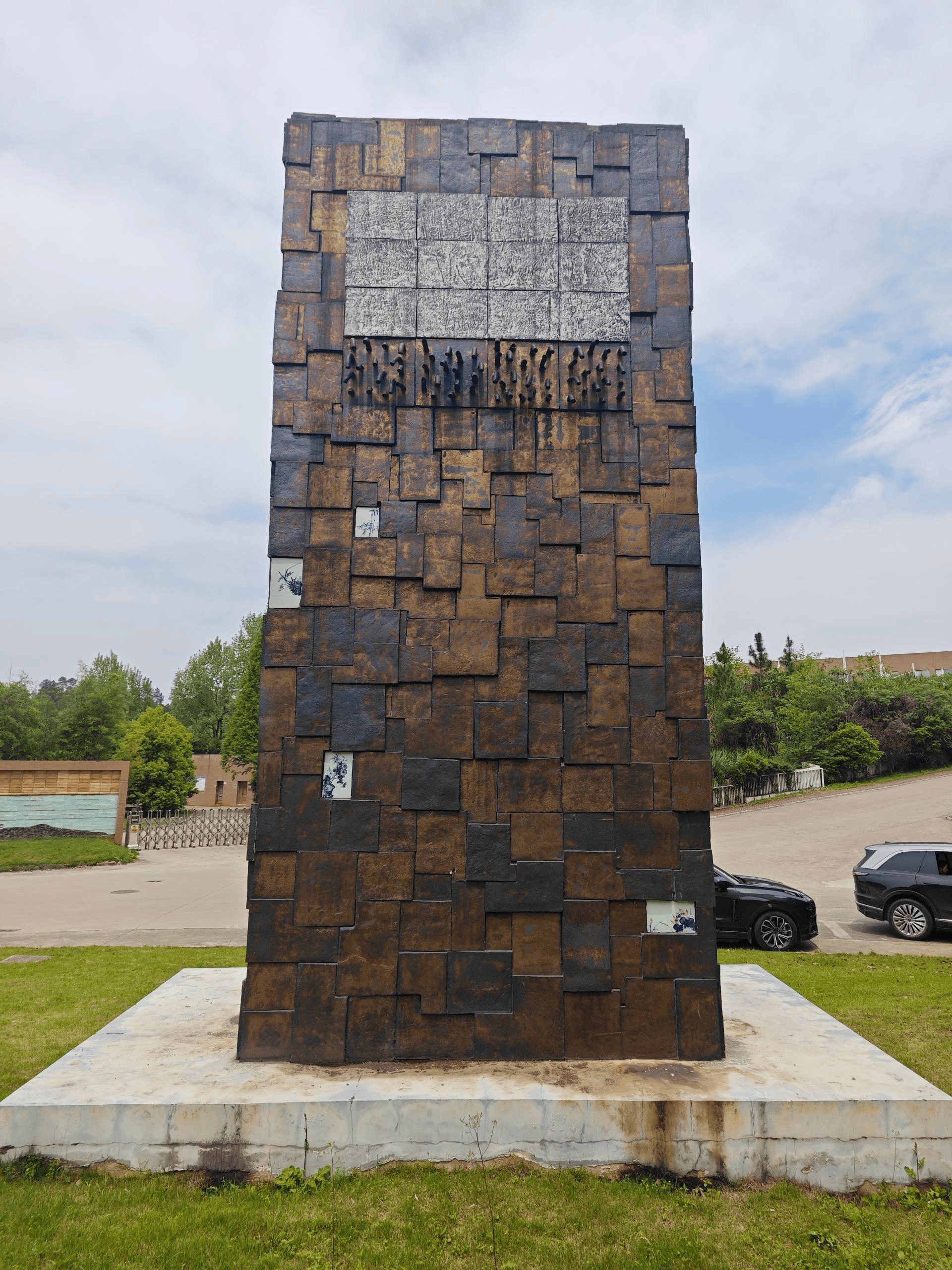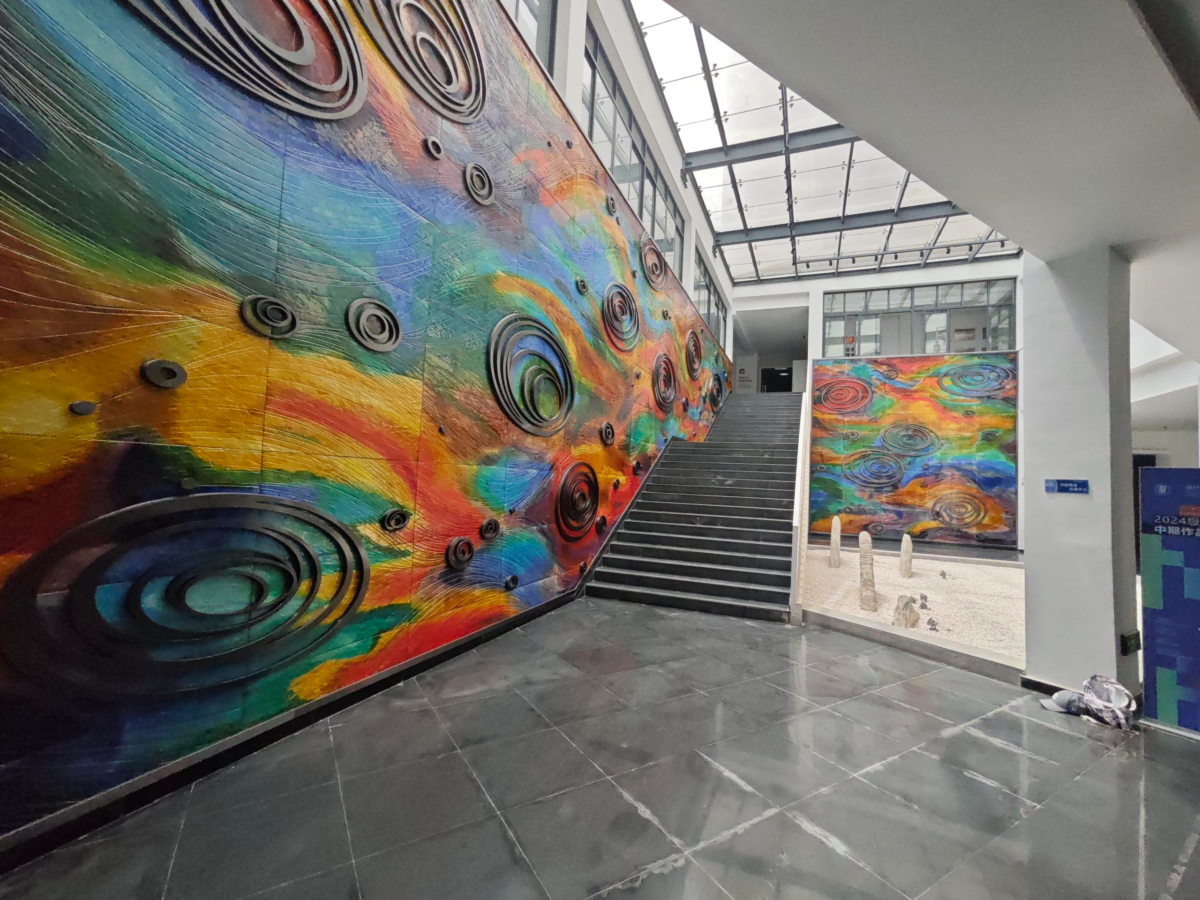
Terracotta model constitutes a impressive work style with a enduring history, spanning back legions of eras. From ancient urns to state-of-the-art exhibitions, the element offers peerless possibilities for creative rendering. Designers manipulate diverse techniques – including molding, wheel casting, and enhanced firing processes – to mold humble dirt into exquisite three-dimensional productions. The longevity of fired clay also contributes to its status as a truly timeless part of human custom.
Researching Ceramic Panel Styles and Practices
The landscape of ceramic emblem design offers a vast array of artistic possibilities. Craftsmen often adopt a amalgamation of authentic and up-to-date techniques to develop visually bold pieces. These can range from simple, hand-carved reliefs to complex, multi-layered compositions. Standard methods include template molding, hand building, glazing – which can involve several approaches like initial glaze painting, overglaze decoration, and scratched design where designs are revealed by scraping a layer of glaze. Enhanced scrutiny into finishing techniques such as raku firing and lustreware can lead to truly rare and specialized clay tablets.
- Form Casting - Producing pieces using a shaped form
- Hand Building - Directly shaping the mud
- Surface Finishing - Layering the face with a glass-like finish
- Scraped detail - Showing designs by abrading coatings
Fascinating Experiences: Stoneware Art Presentations
The developing landscape of imagination presents exciting cutting-edge avenues for participants, and ceramic art installations are at the forefront of this transition. These aren't just static objects; they are designed to envelop the audience member in a sensory setting. Imagine stepping into a forest of towering, finished ceramic trees, or navigating a web of delicate ceramic vessels. Many artisans are now incorporating music, glow, and even scent to enhance the atmosphere of their work. Reflect on the power of a room filled with hundreds of uniquely ceramic artifacts, each telling a chronicle. Frequently, such installations probe themes of natural world, remembrance, and mankind.
- These installations blur the frontiers between art and setting.
- Observing a ceramic art installation can be a deeply transformative journey.
- Makers are transporting the constraints of what is accomplishable with clay.
One Beauty of the Pottery Vessel: Role and Configuration
The earthenware holder represents a wonderful integration of practicality and creative appeal. Historically, these pots served a essential mission in holding materials, but their maturation has transformed them into highly valued works of art. Each object showcases the know-how of the potter, demonstrating how structure can be as meaningful as function. The meticulous shaping, the individual glazes, and the overall presence of a expertly-built holder can raise a space, offering both charm and a reserved reminder of the designer’s hand.
Current Porcelain Model : Pushing Horizons
Present-day terracotta design represents a fascinating shift from traditional practices. Artisans are enthusiastically innovating with different processes, dissolving the borders between craft and other creative fields. From grand installations to fine miniature pieces, aforementioned works analyze themes of background while concomitantly remaking the very of what clay can represent. The outcome is a vibrant field of imaginative representation.
Earthenware Inscription: Maintaining Tradition in Earth
Clay plaques offer a remarkable method for recording significant events and figures. Differing from traditional metal or stone markers, these long-lasting pieces of art are formed from fired clay, creating a substantial link to the olden times. Ceramic Tableware Traditionally, they exhibit intricate etchings or carefully illustrated imagery, expressing stories that might otherwise be ignored. Such technique, originating in ancient civilizations, provides a striking and timeless way to recognize our collective history.
- These can be placed in accessible spaces.
- A multitude of are now viewed historical treasures.
Ceramic Art Presentations: Remodeling Locations
Pottery art installations are flourishing a potent medium for designers to reshape public and private sites. These immersive artworks frequently involve monumental clay designs that absorb viewers, influencing their perception of the assembled environment. By employing diverse techniques like modeled construction and sophisticated firing methods, ceramic artists develop truly uncommon experiences, overlapping the frontiers between craft and space. The upshot is often a impactful transformation that improves the visual quality of the venue and inspires discussion.
Start Spin Tool to Miracle: The Craft of the Porcelain Vase
The journey of a stoneware vase from a simple lump of mud to a finished work of creation is a testament to human ingenuity. Previously, the process kicks off with the potter’s turntable, where the knowledgeable artisan forms the twisting mud into a cylindrical contour. This initial step demands cleverness and a sensitive eye, followed by a delicate setting period. Once raw-fired, the container is ready for beautification, which may involve coloring intricate figures, carving detailed views, or implementing a variety of varnishes. The ending firing process then changes the creation into a durable and pleasing pot, a tangible manifestation of the artist's passion.
Pottery with Pottery: A Course to Porcelain Art
Entering the domain of terracotta composition begins with understanding the essentials of carving with stoneware. A practice involves methodically assembling and carving elements to produce three-dimensional structures. If you're a beginner or a experienced maker, trying with diverse varieties of stoneware – particularly clay – will facilitate you explore your special manner. In conclusion, porcelain shaping is a worthwhile quest that merges skilled know-how with expressive presentation.