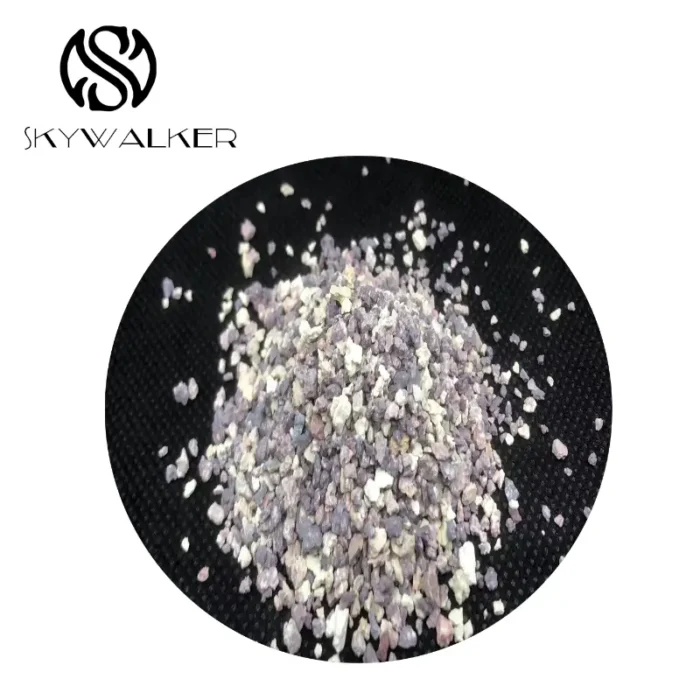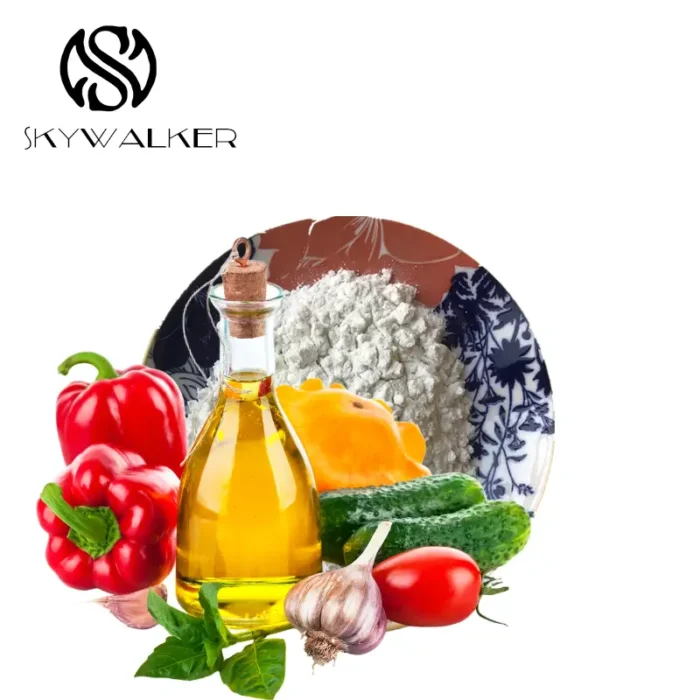
Assimilating processed bleaching material obligates a deep study of its characteristics. This noteworthy matter is regularly deployed in the processing of petroleum products, adeptly eradicating undesirable elements. The enhancement practice typically involves thermal treatment, augmenting its capturing efficiency to absorb colored substances. In the end, this report will review the mechanism behind activated bleaching earth and its functions.
Lightening Mineral Companies: Choosing the Perfect Supplier
Gaining a steady supplier of purifying material is mandatory for many segments, particularly those involved in petroleum treatment. Finding the best provider requires comprehensive consideration beyond just valuation. Appraise their performance in bleaching earth supply, their quality control procedures, and their ability to consistently meet your volume needs. A good bleaching earth entity will also offer technical support and a portfolio of levels to match your individual application.
Certain Foundation Behind Modified Lightening Compound
Improved bleaching substance, a cornerstone within the refining method for edible oils, functions through a fascinating mixture of physical and chemical operations. Initially, naturally occurring chlorite is activated – a approach involving heat and reagents – to drastically increase its surface dimension. This expanded surface furnishes an immense number of sites for the particular adsorption of color pigments, undesirables, and harmful odor compounds. The mechanism is primarily physical absorption, where molecules are held by weak van der Waals attractions, though some chemical adsorption can also exist with certain elements. This results by a significant lessening of color and improvement of the oil's visual quality and flavor.
Lightening Compound - Features and Applications
De-colorizing substance, frequently referred soft white clay, demonstrates unique characteristics that transform it remarkably useful across extensive variety of industries. Its foremost attribute is its outstanding lightness, emanating from its minimal pollutant amount. This element permits it suitable for utilizations needing a vivid visual aspect. Supplementary to its tint, bleaching compound is also smooth and possesses notable plasticity, empowering it to be easily worked. Common purposes comprise printing assembly, tire stiffening, pharmaceutical compounds, dermatological goods, and as an moisture-absorbing substance in different fabrication techniques. Also, it finds use in artificial minerals and pigment industries.
Choosing the Perfect Activated Purifying Aggregate for Your Applications
Deciding on the ideal decolorizing agent can be a intricate endeavor, as various applications necessitate unique properties. Review the type of product you’re managing; some compounds are improved for vegetable oils, while various bleaching clay forms are configured towards livestock fats. Aspects like surface area and absorption efficiency markedly influence capability.
- Analyze the brightness and odor strength of the input to identify the desired lightening proportion.
- Assess the variation; little particles generally offer greater surface area, but may cause clarification challenges.
- Grasp the hydration as it influences the substance’s purifying capability.
Absorbing Clay: Manufacturing Practices and Inspection
The development of bleaching earth, a widely utilized element for oil refining and chemical purification, involves several key actions. Initially, claystone is extracted and then subjected to activation via heat interaction and/or chemical conversion. This technique enhances the binding properties of the earth. Subsequently, rigorous value audits are implemented, featuring evaluations of particle size distribution, oil adsorption strength, and hydration level. Cutting-edge analytical approaches, such as BET analysis and industry verification, are engaged to ensure a dependable output that satisfies stringent standards.
Environmentally Responsible Sourcing of Treated Bleaching Compound
The growing demand for activated bleaching earth presents a fundamental challenge regarding its creation and environmental footprint. Established sourcing methods can cause habitat impairment and diminishment of natural resources. Consequently, a shift towards sustainable sourcing is necessary. This involves focusing on practices like tree planting of mined areas, employing waste debris from other industries for development, and backing native communities to protect ethical and sustainable mining conduct. Furthermore, endorsement schemes and rigorous review processes are obligatory to substantiate that the mineral is procured in a truly responsible manner. Considerations should also include decreasing capacity consumption during treatment and hydration agent usage.
- Replanting efforts
- Repurposing waste materials
- Backing local communities
- Validation schemes
Lightening Earth Distributor Registry: Top Providers Evaluated
Securing a dependable mineral vendor can be a complication, but our comprehensive list aims to facilitate the process. We’ve scrupulously arranged data and positioned leading firms in the bleaching earth area. This compilation highlights key producers known for their excellence and help, allowing end-users to locate the optimal source for their distinct needs. Various factors, including manufacturing output, product range, and feedback, were reviewed in determining these preferred ratings.
Interpreting Activated Bleaching Earth Performance Metrics
To skillfully assess the efficiency of activated bleaching earth, it’s essential to recognize key functional metrics. These criteria often include color rating, typically measured using a gauge, which expresses the earth’s ability to withdraw color from oils. As well, acid index is vital, as it regulates the bleaching process; a higher magnitude usually correlates with improved decolorization capabilities. Finally, adsorption area, often measured via BET analysis, closely impacts the earth’s capacity to attract colorants, ultimately influencing its overall decolorizing power.