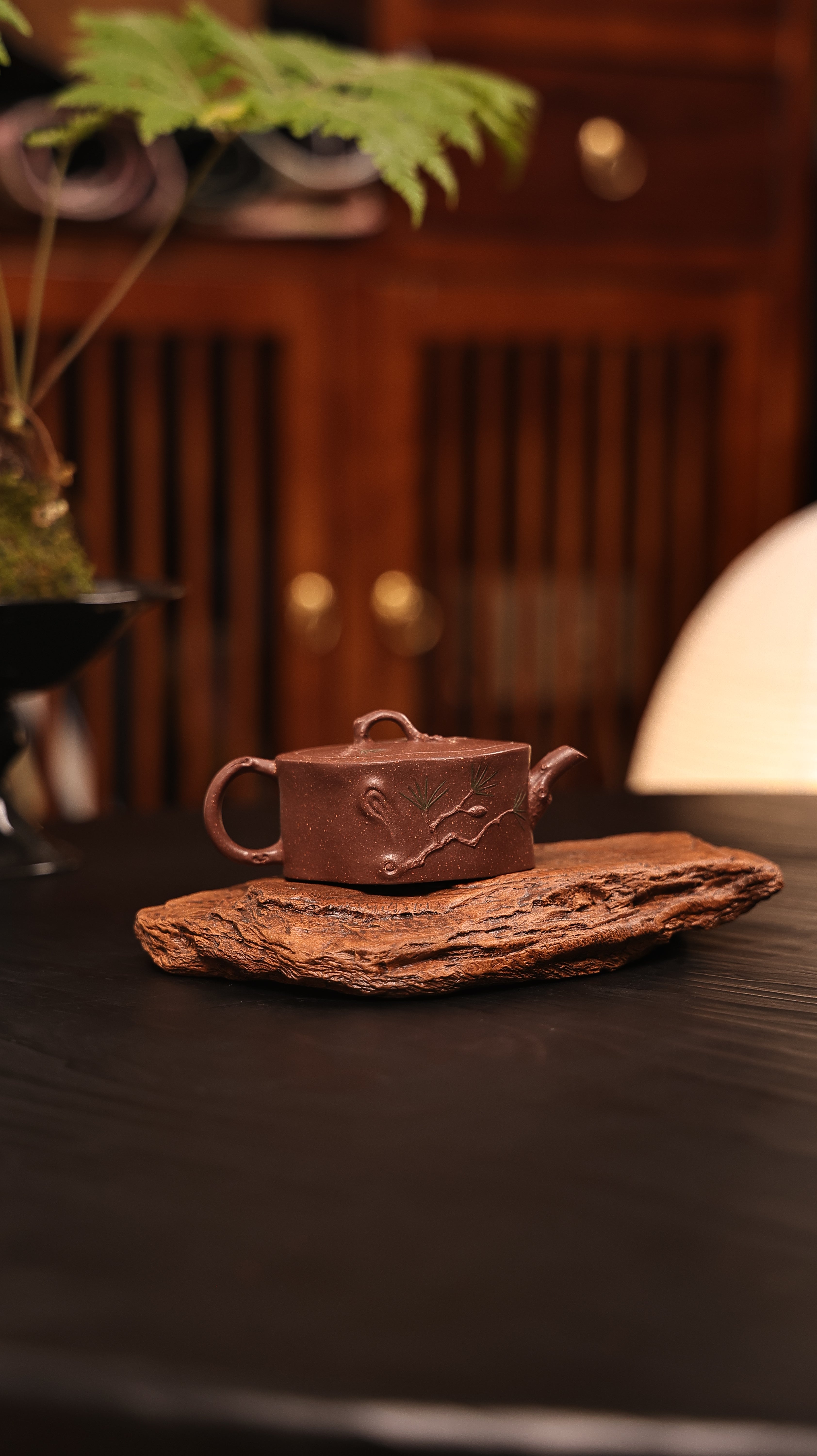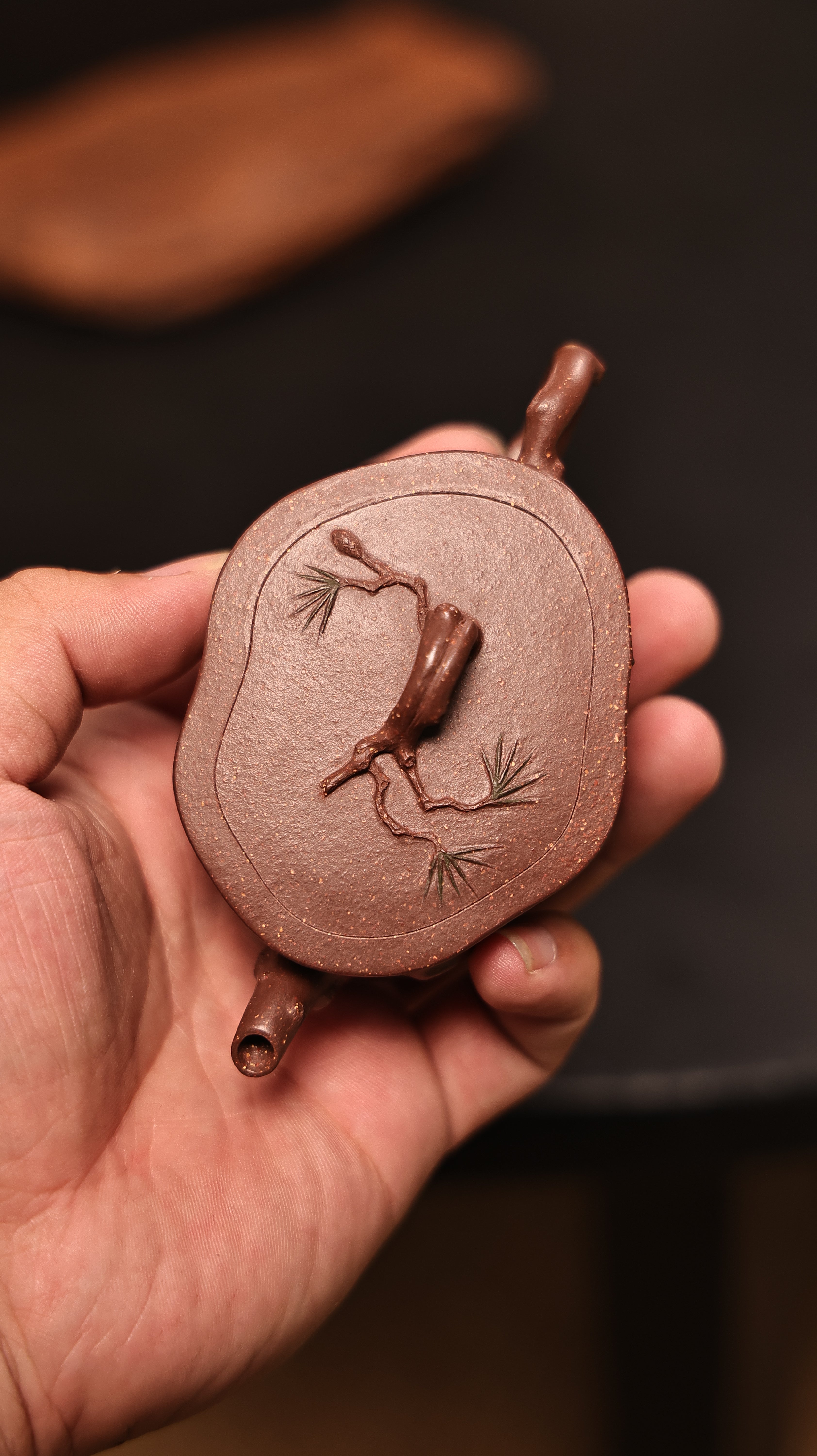
Enduring custom defines Jiangsu ceramic pots alongside epochs,
Reflecting peculiar attributes gathered amidst domestic purple soils, these vessels evolve a finish through employment, boosting savor liberated from prepared liquids.
Acknowledging Yixing Sediment: Exhaustive Insights into Zisha
Diverse lovers celebrate the exceptional makeup of Yixing lavender clay, a keystone of ancient Chinese earthenware. Hailing from the Yixing region of Jiangsu province, this precious clay features an complex mineral composition, which bestows amazing qualities to the crafted wares. Kinds within Zisha, including Purple Mud, Duan Ni Mud, and Jiang Xi Mud, each offers special complexions, surfaces, and curing traits, influencing the porosity and the peak profile progression of the brew.
Eastern Carafe Usages: Discovering Craftsmanship
Celestial teapots embody above mere receptacles for infusion; they manifest centuries of legacy expertise. From the iconic Yixing clay variations, respected for their transpiring nature which adds distinctive tones to the infusion, to the delicate porcelain from Jingdezhen, each piece reveals a chronicle of dedication. The forming process is an detailed journey, often relayed through lineages of artists. These artisans use traditional strategies such as hand-building, molding on wheels, and beautifying, demonstrating profound reverence for the element and the art itself. Think about the commitment invested in each piece as a symbol of Chinese artistry legacy.
- Purple sand flasks: a iconic offer.
- High-quality porcelain teapots: noted for their lightweight design.
- Crafting techniques: a difficult yet satisfying procedure.
Clay Vessel Container Safeguarding: Maintaining Your Beloved Piece
Adequate management of your special Yixing Zisha container is paramount to preserving its quality. Crafted from celebrated purple sand mud, these superior teapots mature a complex patina after practice, greatly boosting their allure. Stay away from washers; a soft rinse with moderate temperature hydraulic medium is sufficient. Shun heated water for washing the teapot, as it may break its fabric. Allow it to lose wetness away from direct radiance. Consider familiarizing your teapot regularly using fine tea, especially dark varieties. Here is a brief overview:
- Wash over with softly heated liquid.
- Eschew washers.
- Provide it to air dry.
- Break in with premium tea.
Background of Yixing Teapots: Early Beginnings
The history of Yixing teapots emerges fundamentally during the Ming dynasty, around the 16th period. Initially, these containers were not the cherished products they are acknowledged nowadays. They were created by provincial potters using the sole purple clay harvested solely in the Yixing vicinity. These early pieces were mostly utilitarian, targeted for commonplace operation and often unadorned in configuration. It was not until the next dynasty that they initiated to earn status beyond mere useful pottery.
Considering the Suitable Fine Pitcher: A Initial Primer
Delving the realm of Yixing teapots can be daunting, but do not fretting! For rookies, the vital factor is understanding the substrate. True Yixing clay is prized for its permeability, allowing the teapot to capture the tea's tone over time, increasing every making session. Evaluate the shape; traditional round shapes prevail, yet specific preferences are important. Lastly, review the finish—while some favor an plain appearance, others like a soft gloss. Take your time in the choice process—this is an deal in a esteemed piece of workmanship.
Yixing Teapots and Their Significance on Chinese Infusion Tradition
Zisha pitchers, derived from Yixing, China, have profoundly influenced historic Chinese liquid culture. These Yixing clay teapots, prized for their identifiable tone, texture, and exceptional ability to impart a subtle savor to the drink, symbolize more than mere ware; they are esteemed pieces of art and symbols of distinction. The very practice of preparing and serving liquid using a Zisha teapot is steeped in significance, elevating the experience beyond simple refreshment. Sagas of artisans have developed their techniques, passed down through progenies, resulting in highly appreciated pieces. Therefore, Zisha teapots are frequently accumulated, playing a crucial part in cultivating local appreciation for aesthetics and the ceremony of drink ceremonies.
- Singular Clay Composition
- Providing Subtle Flavor
- Detailed Craftsmanship
Determining Verified Precious Local Vessels
Procuring a authentic Yixing teapot can be a enjoyable experience, but the market is often plagued with knockoffs. Telling between a real antique and a contemporary reproduction requires precise inspection. Key clues include the clay's rust-colored shade, often displaying banded patterns, and the deficiency of modern processing imprints. The Yixing Teapot silhouette should indicate natural elegance, reflecting the traditional Yixing manner. Finally, reviewing the potter's seal is fundamental to verify authenticity against known citations.
- Assess the clay's fabric.
- Look for blemishes, indicative of custom quality.
- Employ an expert for appraisal.
Collecting Yixing Clay Pots: A Complete Overview to Clay Art Evaluation
The domain of Zisha Zisha crafts exhibits a remarkable venture for savvy supporters. Progressively, the value of these artisanal artifacts is affected by multiple considerations, such as the standard of composition, the talent of the builder, the historical significance, and, naturally, the present trade. Novices should prioritize on researching the several kinds of Zisha clay—such as Frozen River, Peaceful Container, and Ruby Mud—and exploring the aspects linked to each. Exact analysis of the earthenware's figure, tone, and stamp is further crucial to make knowledgeable decisions when investing.