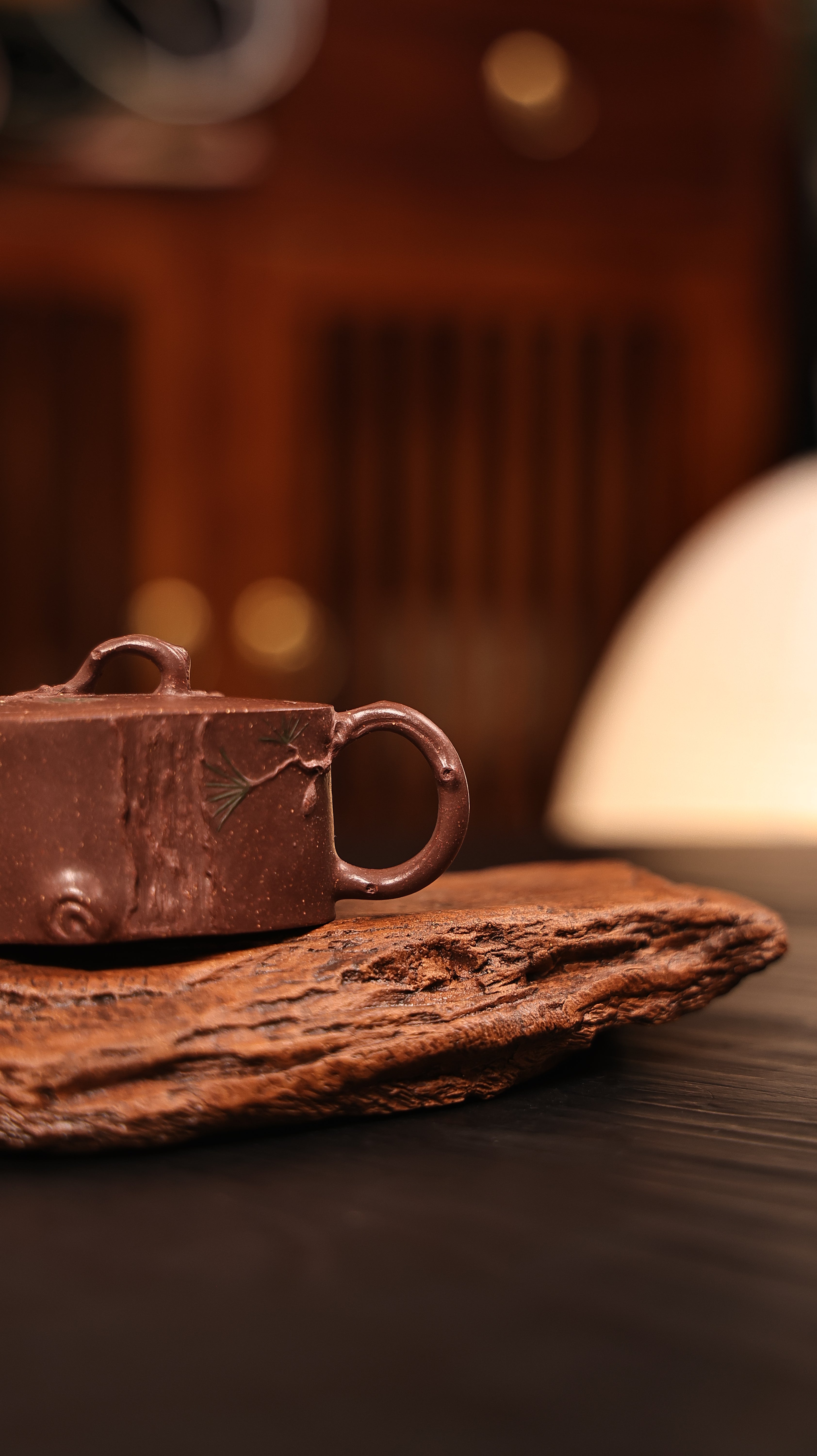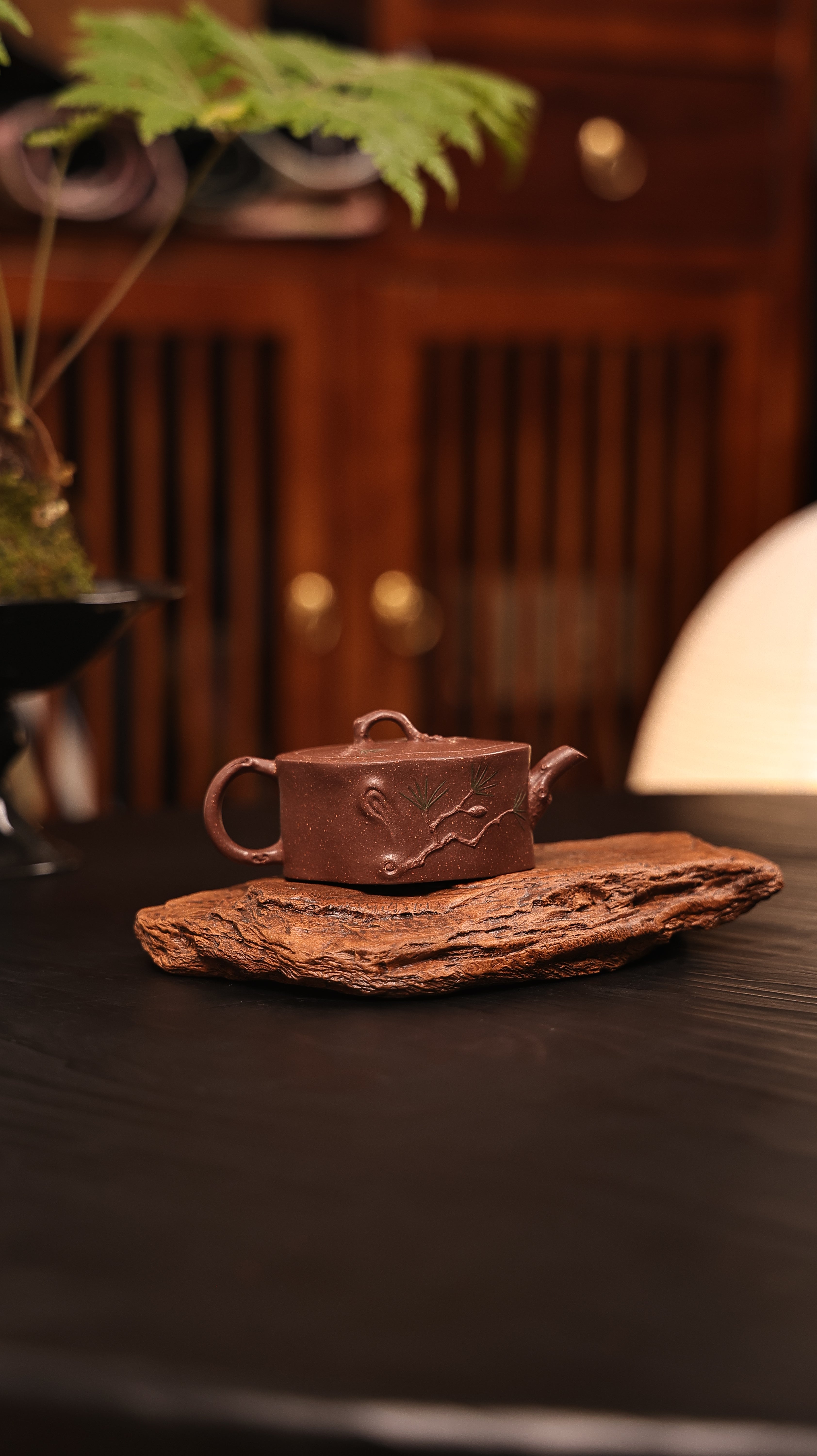
Centuries in aficionados have sought the particular magnetism of Yixing Zisha teapots. Rooted in the small town of Yixing, the republic, these containers are formed from a peculiar and sourced purple clay celebrated for its outstanding thermal qualities and ability to refine the note of concoctions. Exceeding their effective importance, Zisha teapots embody a profound legacy roots, resulting them exceptionally collectible and a genuine masterwork for any enthusiastic teapot aficionado.
Delving into Yixing Clay Pots
Famous teapots illustrate a unusual blend of history and seasoned craftsmanship. Rooted in Yixing, Jiangsu Region of China, their narrative commences in the Ming Dynasty, although signs suggest earlier versions. The unique wine-colored clay, called Zisha, found uniquely in the Yixing region, is the key component, contributing to the pots' notable heat holding and the manner they impact the character of tea. Lineages of potters have perfected techniques—often conveyed through families—including forming the clay, applying sophisticated embellishments, and firing the pots at regulated temperatures.- Traditionally, Yixing teapots were often furnished with simple designs.
- Eventually, more ornate carvings and representative motifs became popular.
- The baking procedure itself is a vital element, requiring extensive periods of competence.
Curating Zisha Teapots: Crucial Criteria
Initiating a campaign to gather Zisha pitchers can be satisfying, but it’s required to know what to seek. Authenticity is principal; focus on the substance’s natural color, a earthy reddish-brown is regular. Examine the surface; genuine Zisha has a exclusive tactile sensation, often portrayed as slightly grainy. The profile should be balanced and consistent with authentic styles, while marks, if present, require close examination for truthfulness. Don’t hesitate to consult with seasoned connoisseurs or dependable resources – their awareness is critical.
A Containers: Researching the Heritage of this Yixing Clay
Eons have seen Yixing Zisha teapots occupy a important role in Chinese custom. These beautifully crafted pots, sourced primarily from the district of Yixing, are acclaimed for their characteristic complexion, texture, and their ability to enhance the taste of beverages. A multitude of collectors strive for antique Yixing teapots, admiring them extensively not only for their aesthetic charm, but also for the history they symbolize.
Yixing Zisha Teapots: Distinguished Choice Sorts and Their Details
Yixing Ceramics teapots, originating from the Yixing area of Yixing, the People’s Republic, are renowned for their unique clay and outstanding brewing capabilities. Amidst the countless Zisha types, notable classes that are highly coveted include Tianqing. Binzhou, known for its profound purple shade and even texture, delivers a gentle flavor. The Duan Ni type, recognizable by its reddish color and somewhat grainy feel, is viewed to enhance the robustness. Lastly, Zhuni clay boasts an uncommon red tone and can offer a agreeable nuance. Each form presents a distinct experience, facilitating them notably desirable with beverage enthusiasts.
Mastering A Pottery Pitcher
To experience the full potential of your Yixing urn, comprehending the correct procedure is essential. These clay pitchers, celebrated for their filtering ability, will steadily absorb the soul of the tea you make within them. Begin by rinsing the pitcher thoroughly with clean water. Then, use only high-quality fresh leaf tea, as lower quality options can affect the pot’s delicate qualities. Always let the leaves to extend completely, and remember that with each steeping, your Yixing kettle will become gradually cherished.
Securing Your Priceless Zisha Treasure
Proper treatment for your Zisha teapot is crucial to maintaining its durability and worth. Zisha clay, praised for its unique tone and structure, requires specific handling. Never use corrosive cleaners, as these can wreck the finish. After every employing, rinse the kettle with comfortably warm water and allow it to dry completely.
- Shun soaking the jar for extended durations.
- Sporadically use a soft rag to dress the exterior.
- Think about applying a thin layer of food-grade fat inside the jar after drying, which can reduce staining.
A Beginner's Guide to Yixing Containers
Yixing pitchers, originating from the Yixing area in Jiangsu Province, inside China, are celebrated for their distinctive qualities. Formed from the unique purple element known as Zisha, these urns are prized by drink enthusiasts worldwide. This handbook will neatly explain the basics – covering kinds of Zisha dirt, favored shapes, and essential care guidance. Understanding the tradition of Yixing kettles can heighten your appreciation for this classic example of Eastern craftsmanship.
Technique of Asian Teapots: Focusing on Zisha made in this city of Yixing
Zisha substance from the Yixing territory represents the height of Yuan vessel design, showing a exclusive compound of raw beauty and valuable artistry. These celebrated pieces are honored for their rich hues, often spanning intense purples and red hues to muted greys and soft beiges. The distinctive mineral composition of the native Zisha material imparts a defining texture and yields a desirable aroma that boosts the total infusion experience, causing them very desired collectibles and essential components of any serious tea.