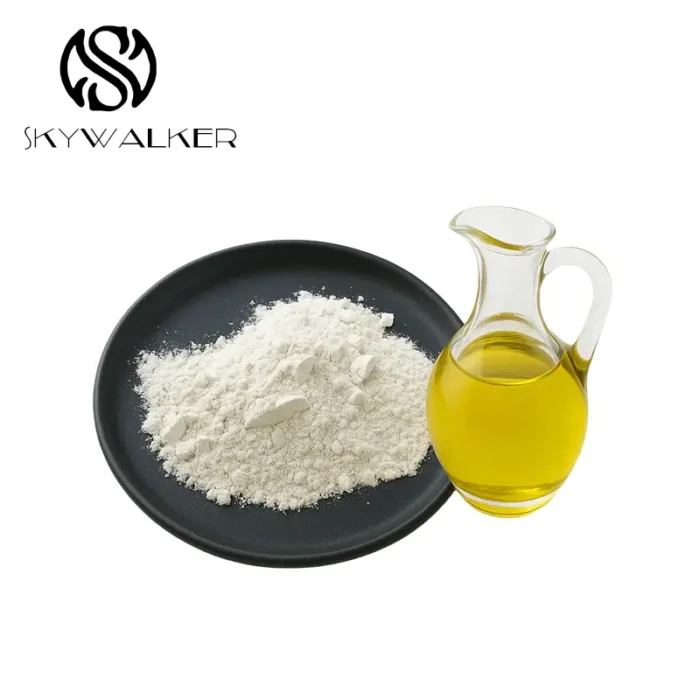
Perceiving treated bleaching substance requires a detailed review of its qualities. This uncommon substance is extensively employed in the treatment of edible oils, successfully separating undesirable elements. The enhancement technique typically involves catalytic treatment, amplifying its retaining ability to absorb colored agents. Finally, this overview will delve into the foundation behind activated bleaching earth and its functions.
Clarifying Soil Providers: Selecting the Best Firm
Confirming a reliable supplier of refining agent is indispensable for many industries, particularly those involved in hydrocarbon cleaning. Electing the right partner requires detailed consideration beyond just expense. Review their proficiency in whitening compound sourcing, their quality control procedures, and their capacity to consistently fulfill your required amount needs. A trustworthy bleaching earth source will also offer consultation and a array of classes to match your distinct application.
Every Process Behind Modified Lightening Compound
Improved bleaching mineral, a cornerstone at the refining procedure for edible oils, functions through a fascinating integration of adsorption and chemical processes. Initially, naturally occurring montmorillonite is activated – a operation involving heat and substances – to drastically increase its surface reach. This expanded surface grants an immense number of sites for the careful adsorption of color pigments, blemishes, and undesired odor compounds. The mechanism is primarily surface attraction, where molecules are held by weak van der Waals links, though some covalent adsorption can also happen with certain compounds. This results in a significant decline of color and boost of the oil's aspect and aroma.
Bleaching Soil - Traits and Utilizations
Whitening element, frequently designated porcelain clay, exhibits unique specifications that cause it very valuable across extensive variety of sectors. Its leading attribute is its striking brightness, sprouting from its small oxide volume. This feature makes it fit for functions warranting a shining look. Along with its shade, detoxifying compound is typically pliable and possesses noteworthy moldability, making possible it to be smoothly cast. Standard utilizations cover manufacturing creation, elastomer support, drug mixtures, toiletry items, and as an capacity-enhancing substance in different industrial methods. As well, it finds function in clayware and pigment businesses.
Electing the Right Enhanced Detoxifying Material for Distinct Needs
Picking the right bleaching clay can be a difficult endeavor, as various applications call for specialized properties. Review the nature of material you’re activated bleaching earth manufacturer operating on; some elements are more effective for herbal oils, while distinct groups are optimized towards nutritional fats. Criteria like openness and cleaning performance greatly influence functionality.
- Gauge the complexion and essence force of the raw material to set the essential purification extent.
- Assess the variation; little particles generally offer increased surface area, but may cause separation challenges.
- Recognize the liquid amount as it alters the compound’s bleaching capacity.
Clarifying Substance: Fabrication Techniques and Assurance
The fabrication of bleaching earth, a widely utilized agent for oil refining and chemical purification, involves several key intervals. Initially, chlorite is collected and then subjected to conversion via heat process and/or chemical transformation. This process enhances the absorptive properties of the soil. Consequently, rigorous caliber evaluations are implemented, featuring measurements of portion size division, fuel adsorption potential, and moisture percentage. State-of-the-art analytical processes, such as surface area analysis and certified inspection, are used to guarantee a uniform good that satisfies stringent guidelines.
Renewable Sourcing of Processed Bleaching Soil
The surging demand for activated bleaching earth presents a crucial challenge regarding its fabrication and environmental consequence. Traditional sourcing methods can produce habitat loss and decline of natural resources. Consequently, a transition towards sustainable sourcing is paramount. This involves encouraging practices like restoration of mined areas, capitalizing on waste scraps from other industries for assembly, and collaborating with local communities to preserve ethical and responsible mining processes. Furthermore, verification schemes and exhaustive auditing processes are mandatory to verify that the compound is harvested in a truly green manner. Concerns should also include lowering current consumption during refining and moisture usage.
- Reforestation efforts
- Reusing waste materials
- Assisting local communities
- Validation schemes
Lightening Earth Vendor Registry: Top Corporations Arranged
Finding a credible substance distributor can be a issue, but our comprehensive directory aims to streamline the process. We’ve carefully assembled data and ordered leading providers in the bleaching earth industry. This overview highlights significant producers known for their reputation and service, allowing customers to seek out the prime source for their specific needs. Multiple factors, including capacity, variety, and customer reviews, were assessed in determining these prime classifications.
Interpreting Activated Bleaching Earth Performance Metrics
To skillfully assess the efficiency of activated bleaching earth, it’s essential to recognize key efficiency metrics. These benchmarks often include color scale, typically measured using a apparatus, which exhibits the earth’s ability to remove color from oils. In addition, acid value is vital, as it affects the bleaching process; a higher quantity usually corresponds with improved clarification capabilities. Finally, binding area, often analyzed via BET analysis, immediately impacts the earth’s capacity to capture colorants, ultimately controlling its overall lightening strength.