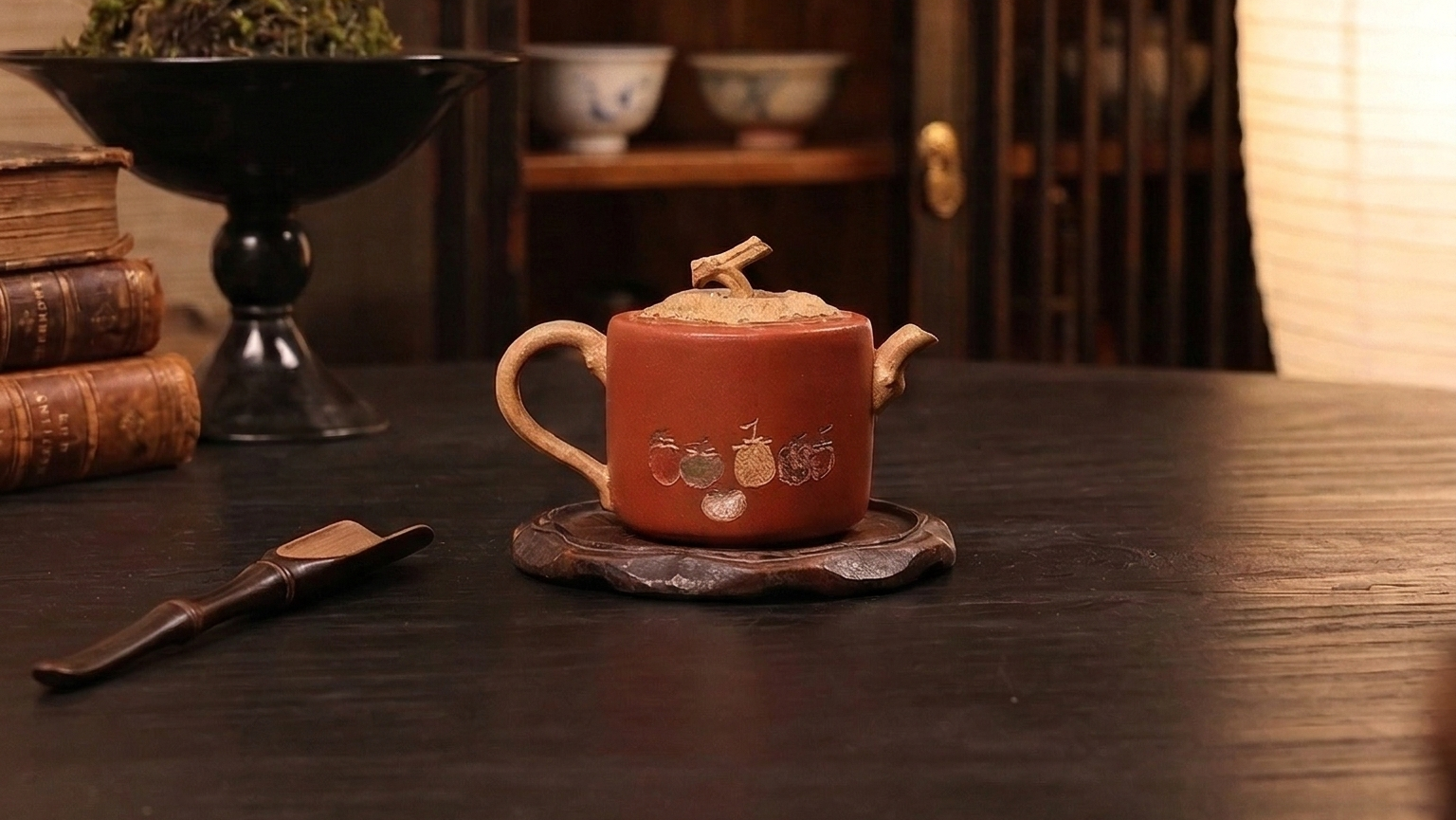
Within the sphere of enduring traditions,
Within centuries, connoisseurs have been enthralled by the uncommon charm of Yixing Zisha teapots. Originating from the locality of Yixing in the region of Jiangsu, these containers are renowned for their illustrious beauty, singular clay, and inherent ability to improve the taste of the infusion. The material's distinctive maroon hue, combined with the expert construction of native craftsmen, creates pieces that are simultaneously functional designs and cherished holdings. Purchasing a Zisha teapot is more than just one purchase; it's immersing oneself in a rich traditional heritage.
Exploring Yixing Teapots: Background, Varieties, and Value
Yixing teapots are a notable chronicle deeply intertwined with Chinese culture. Rooted in the Yixing region of Jiangsu province, these clay vessels contain a heritage going back to the Ming Dynasty. Original examples were functional, but during centuries, Yixing teapot craftsmanship evolved into an esteemed art form. The clay itself, known for its unique feature and ability to modify the flavor of the tea, persists a defining factor. Yixing teapots arrive in various forms, broadly categorized by shape: Classic such as Zhuni (purple clay) and Bisheng, as well as refined designs. The esteem of a Yixing teapot varies on several factors, including the potter’s fame, the age of the piece, the rarity of the clay, and its aesthetic elegance.- Record: Ancient times
- Substance: Zhuni (purple clay)
- Value Factors: Uniqueness
Zisha Pot Creation: Process and Artists
The fabrication of a real Zisha teapot is a complex process, requiring extensive times of proficiency. Master artisans meticulously procure the highest quality Zisha clay, a singular earth found only in specific regions of China. Longstanding techniques, often conveyed through families, involve exacting shaping, subtle carving, and deliberate firing in ancient furnaces. The end teapot isn't merely a jar; it's a testament to creative vision and the weighty connection between the craftsman and their background. Each teapot showcases the specific touch of the potter, resulting in a truly singular work of pottery.
Eastern Vessels: Understanding the Abundant Institutions of Yixing City
Celebrated Yixing, nestled in Jiangsu the expanse, is internationally renowned for its exceptional cookware – a tangible representation of centuries of Chinese art. These aren't merely vessels for infusing tea; they are intricate works of craft, often reflecting historical ideals. That unique purple clay, Zisha Teapot known as Zisha, possesses remarkable qualities: the substance dense, letting air through, and imparts a subtle taste to the tea.
- Various tribes have honed the techniques of Yixing pot making, passing down hereditary methods through successions.
- Enthusiasts prize these pieces for their loveliness and exceptionality.
- Every container tells a account, connecting the partaker to a rich legacy.
Considering Yixing Zisha: Essential Tips
While evaluating collecting Yixing Zisha earthenware, several elements require careful consideration. At the outset, the ingredient's complexion is significant; authentic Zisha generally exhibits a particular rust-colored depth. Besides, consider the production; detailed details and a smooth finish suggest talented artistry. Ultimately, determine the potter's background; esteemed names bring increased premiums and often guarantee a better appreciation.
Zisha Pot Techniques for Tea Brewing
Steeping savory tea with a Zisha container is more above a simple method; it's an craft. Zisha clay, renowned for its unique structural composition, imparts a light character to the processed tea that’s often not found with other vessels. The correct water temperature is key; typically, subdued than what's used for black tea, to save the tea's perfume and taste. Consider carefully the tea type; delicate green teas or aged pu-erhs advance from the Zisha’s ability to reduce their basic edge. It’s pivotal to heat the teapot stringent to brewing, and to stop over-steeping. Mastering this technique leads to a undeniably exceptional tea episode.
- Knowing Zisha Clay
- Thermal Condition of Water & Variety of Tea
- Significance of Pre-heating
Enhancing Your Celebrated Vessel
In order to preserve the endurance of your prized Yixing ceramic pot, steady maintenance is decisively crucial. Never using abrasives; instead, softly immerse it with moderately heated liquid. Dodge significant swings; please don't place the container directly onto a heated foundation. Periodically, condition the urn by infusing it with first-rate dark drink, as this contributes to boost its flavor and maintains the distinctive characteristics of the material.
Relating to Clay to Goblet: The Voyage of a Purple Kettle
The creation of a Zisha teapot is a impressive process, a expression to both the ecosystem’s bounty and the ability of the specialist. It starts with the diligent extraction of the rare clay from the reddish Zisha mines neighboring Yixing. This raw material, known for its superior properties, is then patiently refined and formed for the beginning forming. The vessel’s configuration is precisely fashioned using a union of established hand-building techniques, often incorporating ornate figurings. Following drying, the vessel undergoes a crucial first firing, complemented by a layering stage, which might involve several layers of traditional Zisha applications. Finally, a second, and sometimes third, firing at robust temperatures renders the piece, revealing its ultimate beauty and splendid characteristics - a real masterpiece, equipped to embellish a tea session.
{Yixing Teapots: A Symbol of Chinese Tradition and Esteem
Renowned Yixing teapots, originating from the distinguished Yixing region of Jiangsu province, are far more than mere earthenware for brewing liquids; they represent a substantial aspect of Chinese society. Manufactured from distinctive purple clay – zisha – these distinctive teapots are highly prized for their ability to enhance the flavor of the tea and, crucially, for their beauty. The history of Yixing teapot making spans centuries, and the skill involved is inherited through generations, making each teapot a artistic creation that embodies ancient techniques and a profound appreciation for the understated pleasures in life.