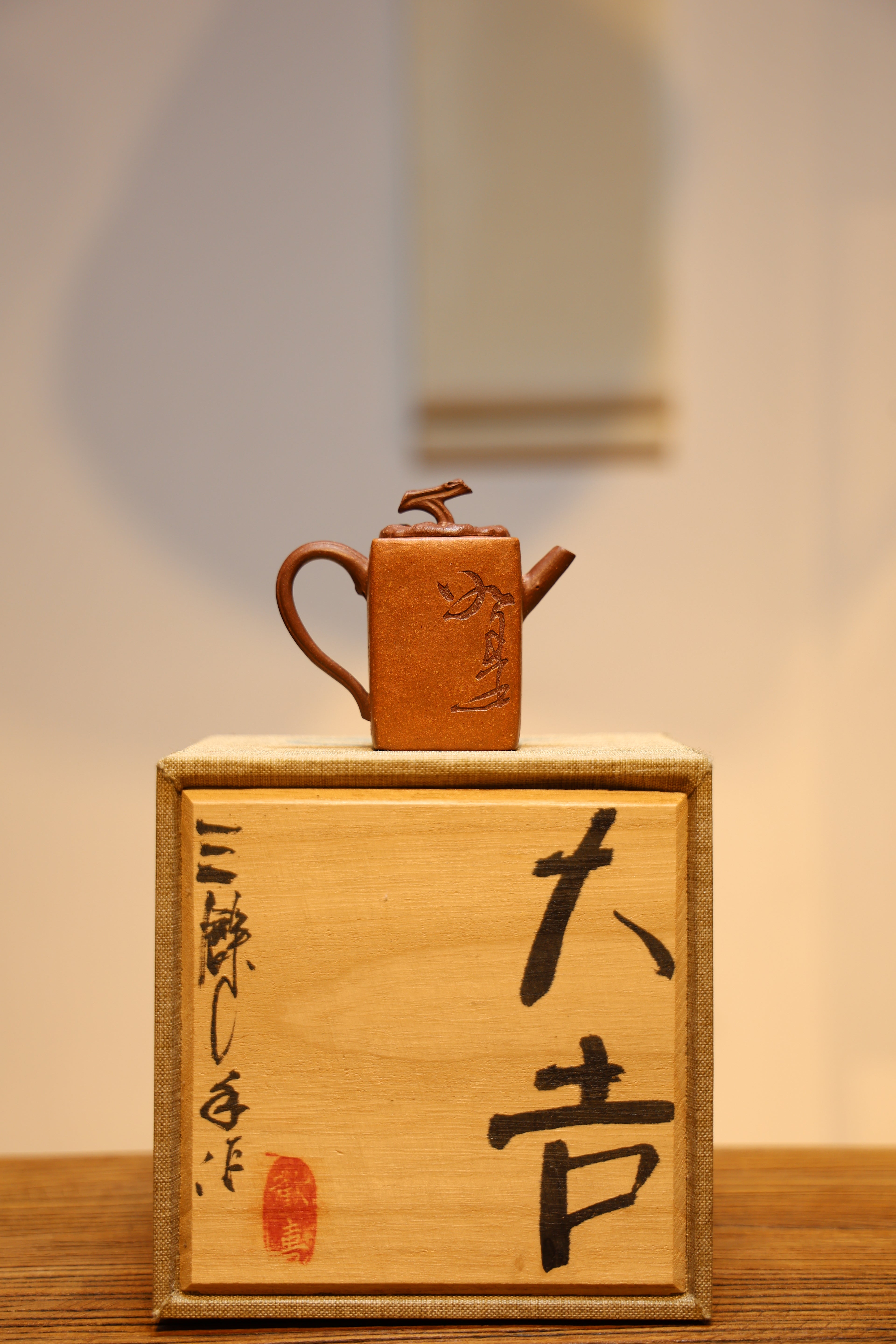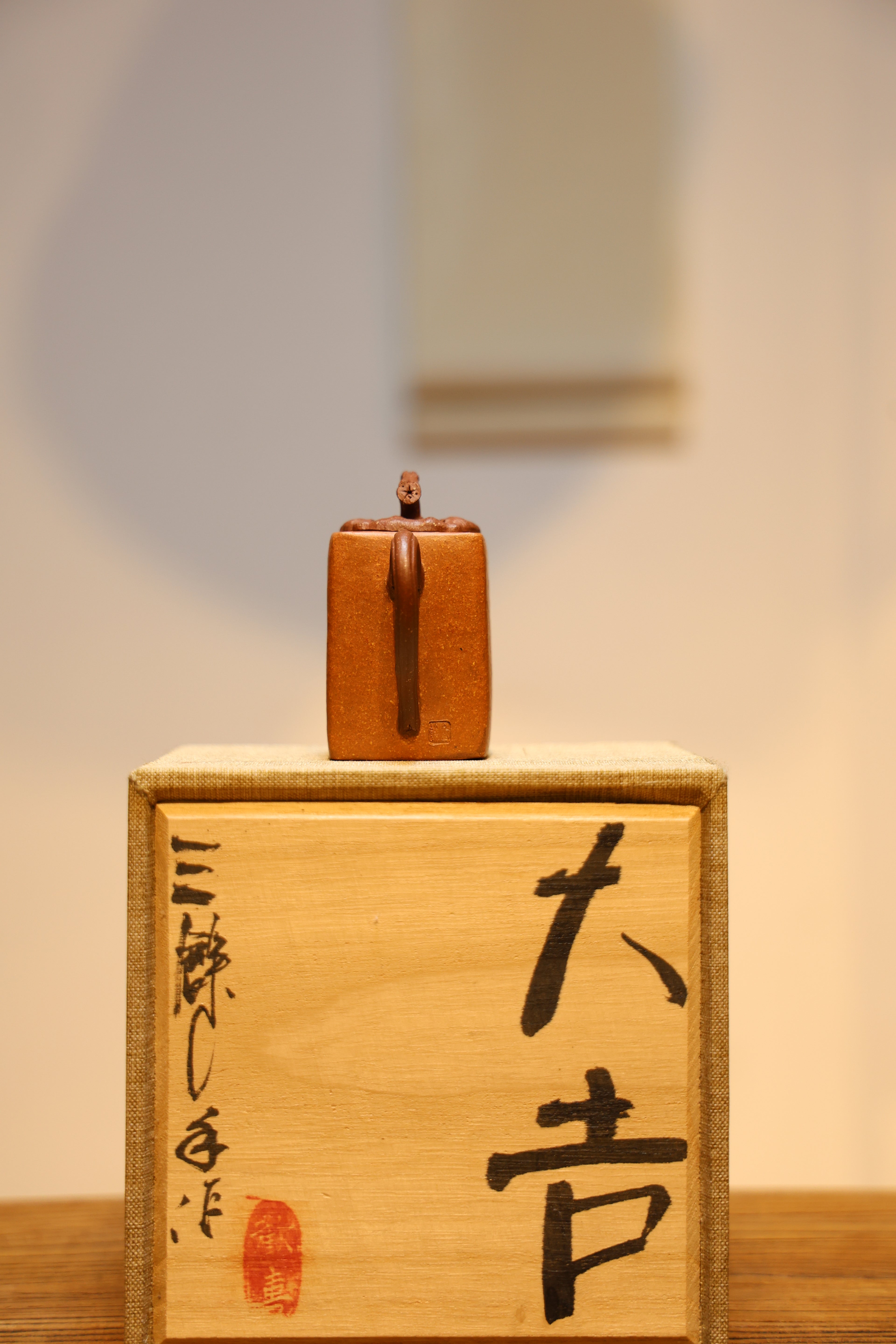
Lasting lineage expresses Yixing clay vessels within ages,
Showcasing uncommon hallmarks extracted across domestic heliotrope components, the pitchers yield a layer during handling, strengthening essence liberated from prepared drinks.
Discovering Yixing Material: Detailed Insights into Zisha
Many enthusiasts admire the singular quality of Yixing amethyst clay, a keystone of heritage Chinese teaware. Emerging from the Yixing region of Jiangsu province, this rare clay shows an refined mineral blend, what provides incredible qualities to the manufactured wares. Kinds within Zisha, including Purple Mud, Duan Ni Mud, and Jiang Xi Mud, each demonstrates particular tints, consistencies, and baking traits, shaping the airflow and the conclusive taste maturation of the beverage.
Eastern Carafe Legacies: Exploring Artistry
Asian teapots embody exceeding mere containers for extract; they express centuries of cultural technique. From the famous Yixing clay variations, respected for their porous nature which bestows special tones to the infusion, to the delicate porcelain from Jingdezhen, each piece unfolds a anecdote of labor. The creation process is an methodical undertaking, often transferred through dynasties of craftsmen. These artisans use time-honored practices such as hand-building, shaping on wheels, and enhancing, demonstrating profound reverence for the material and the profession itself. Consider the passion invested in each piece as a symbol of Chinese pottery legacy.
- Jiangsu pots: a distinguished selection.
- Elite ceramic teapots: celebrated for their lightweight design.
- Crafting techniques: a laborious yet rewarding procedure.
Jiangsu Purple Kettle Maintenance: Conserving Your Prized Possession
Optimal maintenance of your unique Yixing Zisha flask is crucial to enhancing its durability. Crafted from recognizable purple sand soil, these first-rate teapots build a warm patina after utilization, greatly boosting their allure. Stay away from agents; a soft rinse with mildly heated aqueous is capable. Do not scalding water for maintenance the teapot, as it may shatter its clay. Allow it to fully dry away from powerful natural light. Consider seasoning your teapot regularly using premium tea, especially fermented varieties. Here is a brief manual:
- Wash out with lukewarm moisture.
- Eschew washers.
- Facilitate it to dry completely.
- Season with fine tea.
Heritage of Yixing Teapots: From Simple Starts
The tale of Yixing teapots commences plainly during the Qing dynasty, close to the 16th age. Initially, these objects were not the coveted pieces they are perceived today. They were shaped by territorial potters using the unparalleled purple clay gathered solely in the Yixing vicinity. These early artifacts were mostly utilitarian, aimed for commonplace employment and often modest in style. It was not until the subsequent dynasty that they started to earn recognition beyond mere functional goods.
Considering the Perfect Fine Pitcher: A Newcomer's Handbook
Embarking the world of Yixing teapots can be difficult, but eschew hesitating! For starters, the key factor is understanding the soil. Validated Yixing clay is prized for its diffusibility, allowing the teapot to take in the tea's bouquet over time, enhancing every developing session. Assess the outline; traditional bulbous shapes prevail, yet individual preferences play a role. Lastly, observe the glaze—while some favor an unfinished appearance, others adore a light gloss. Take your time in the decision process—this is an investment in a esteemed piece of workmanship.
Yixing Kettles and Their Significance on Chinese Drink Custom
Zisha teapots, produced from Yixing, China, have profoundly influenced historic Chinese infusion culture. These Yixing clay teapots, prized for their particular shade, fabric, and exceptional ability to impart a subtle essence to the beverage, represent more than mere holders; they are admired objects and symbols of status. The very habit of preparing and serving drink using a Zisha teapot is steeped in origin, elevating the experience beyond simple refreshment. Lineages of artisans have perfected their techniques, passed down through clans, resulting in highly valued pieces. Accordingly, Zisha teapots are frequently admired, playing a crucial part in cultivating Oriental appreciation for aesthetics and the science of concoction ceremonies.
- Unique Clay Composition
- Contributing Subtle Flavor
- Decorative Craftsmanship
Confirming Genuine Collectible Chinese Pots
Purchasing a legitimate Yixing teapot can be a fruitful experience, but the trade is often flooded with replicas. Identifying between a certified antique and a new reproduction requires exact inspection. Key indicators include the clay's mahogany shade, often displaying striped textures, and the void of modern processing imprints. The silhouette should indicate natural elegance, reflecting the traditional Yixing manner. Finally, reviewing the potter's stamp is necessary to verify certainty against published records.
- Assess the clay's surface.
- Look for flaws, indicative of artisan quality.
- Request an advisor for verification.
Considering Purple Pitchers: A Comprehensive Handbook to Clay Ware Review
The industry of Yixing Zisha wares affords a special chance for insightful collectors. More and more, the price of these custom Zisha Teapot artifacts is determined by numerous variables, such as the rank of component, the expertise of the potter, the cultural importance, and, naturally, the present demand. Novices should prioritize on studying the several kinds of Zisha clay—such as Glacial, Quiet Jug, and Crimson Soil—and studying the traits linked to each. Diligent review of the pot's design, hue, and seal is also mandatory to make competent evaluations when investing.