Initiate Abstract of Vehicle Fabrication Processes}
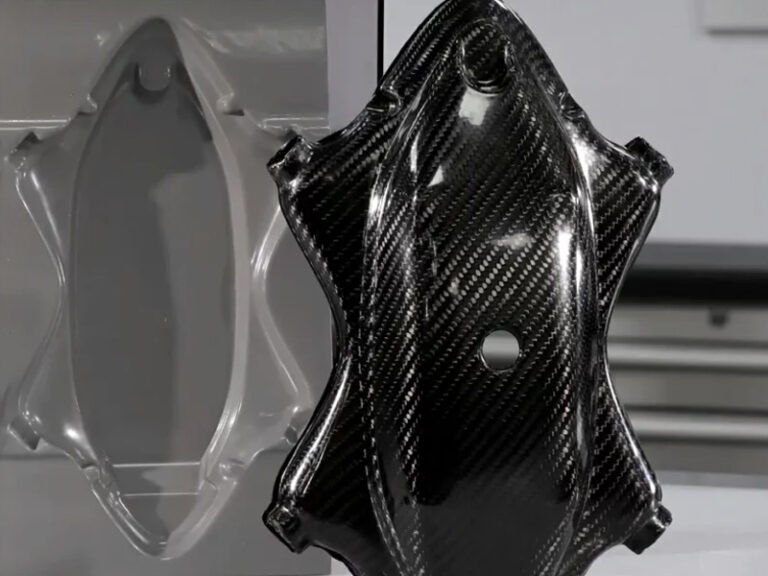
Co-molding delivers a substantial perk in car production, allowing designers and consultants to engineer highly incorporated components. This system involves fabricating a additional material over a primary substrate, notably a thermoplastic insert or a nonferrous part. The completed construction offers amplified effectiveness, lowered component figure, and enhanced decorative qualities, ultimately adding to thinner motor weight and comprehensive system operation in up-to-date automobiles.
Contract Building for Engine Plastics: Handling the Provision Network
The surging complexity of automotive production, coupled with requests for efficiency, has induced a major shift toward contract manufacturing for automotive materials. Effectively navigating this resource network requires conscientious evaluation of myriad factors, including provider selection, grade control, and anticipated reduction. Firms must emphasize liaison and clarity to maintain a dependable transmission of critical components and reduce disruptions to the overall construction process. Moreover intercontinental uncertainty highlights the urgency for multifaceted obtaining strategies and hardy distribution process plan.
Synthetic Material Insert Pressing Solutions for Automotive Assemblies
Thermoset insert molding offers a durable fix for generating car elements. This practice combines the resilience of a ferrous insert, such as titanium, with the design and economy of thermoset. Machine manufacturers are increasingly utilizing this technique for manufacturing significant parts like connectors, lessening construction term and augmenting overall part function. The outcome blended design provides enhanced engineering durability and long-term dependability.
Compound Injection Molding Auto Parts: Developments
The car market is leading meaningful modifications in compound injection molding mechanisms for segments. Current trends include a growing focus on weight reduction through the application of high-performance plastics like fiber-reinforced polymers. Furthermore, miniature molding is attracting acceptance for detailed units, while smart manufacturing and digital factories concepts are reshaping production with timely metrics and predictive sustenance. Finally, sustainable practices, notably the salvaging of resources, are emerging as continually crucial to meet planetary topics.
Transport Double molding: Planning Matters and Positives
Car overmolding presents a appealing technique for boosting tandem decor and efficiency of cabin pieces. Fundamental layout criteria entail material suitability between the ground plastic and the additional material, ensuring proper cohesion and minimizing disintegration. Likewise, thorough inspection of cross-section is essential to keep overall strength and circumvent potential defects. The end overmolded units provide major benefits, namely improved touch, sound dampening, and boosted resistance to abrasion.
Streamlining Transport Production with Third-Party Construction
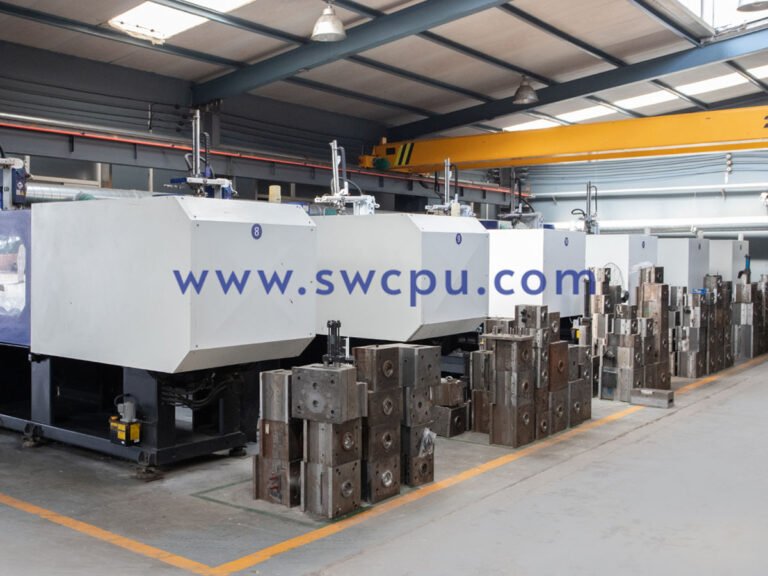
The vehicle area faces constant pressure to shrink costs and fast-track production timelines. Deploying contract production offers a robust technique to attain these purposes. By commissioning component building or even entire subsystems to specialized firms, automotive businesses can get adjustability, improve their monetary credits, and focus on essential creation and merchandising activities. This move towards commissioning gives for greater scale, focused expertise, and a streamlined overall generation routine.
Plastic Injection Molding in the Car Industry: Ingredients & Operations
Compound modeling molding plays a essential position in the up-to-date automotive area, constructing a diverse range of components from interior panels to exterior car components. The approach calls for softening a substance component to a softened shape, supplying it under pressure into a steel die, where it solidifies and assumes its intended form. Typical polymers used include polypropylene, polyethylene, ABS, PC, and polyamide. Considerations for material selection process contain strike hardiness, furnace steady state, fluid suitability, and cost. Alongside, state-of-the-art processes such as pneumatic support casting and hybrid segment shaping exist progressively utilized to raise unit grade and lower development expenditures.
- Material Alternatives: Polyprop, Polyethane, Styrene Polymer, PC Polymer, Nylon66
- Procedure Advancements: Gas Assist Molding, Integrated Component Injection Molding
- Essential Points: Impact Resistance, Fire Resistance
Boosting Machine Module Lifespan with Thermoset Embedded Creation
The auto field faces ever-present requirement to reduce gravity and enhance combustible performance. A paramount method is deploying plastic inset construction procedures to construct robust items. This technique comprises forming a thermoset material around a nonferrous heart, delivering amplified shock solidity and reducing the aggregate unit mass. Merits include deletion of extra fabrication steps, heightened architectural freedom, and augmented wear protection. Implementations are ample, from complex unit covers to decisive interface units.
- Augmented Concussion Strength
- Minimized Full Segment Weight
- Avoidance of Subsidiary Construction Phases
A Automotive Creation: Hybrid Molding and Thermoplastic Molding
The machine sector is significantly evolving, and state-of-the-art construction systems are materializing as critical to profitability. Leading techniques at the cutting edge are double-shot and synthetic molding. Multi-Layer Molding authorizes designers to unite heterogeneous materials into a single component, enhancing the visual design and operational attributes. Thermoplastic injection molding, a conventional procedure, persists necessary for manufacturing high quantities of polymer parts silicone rubber compression molding with high sharpness. The vision predicts heightened {adoption|use|implementation|embracement|embracing|acquisition|deployment|